
Sectors8 min read
Kids' clubs and dance schools: texting parents
Texting parents from a kids' club or dance school: cancellations, collection, show days and fees, with the DfE safeguarding guidance and Sport England data.
In short
- Sport England's Active Lives survey estimates that 2.2 million children in school years 1 to 11 in England (30.1%) took part in dance in the last week during the 2024 to 2025 academic year.
- Only 49% of children and young people in England met the Chief Medical Officers' guideline of an average of an hour of activity a day in 2024 to 2025, according to Sport England.
- The Department for Education's guidance for out-of-school settings says providers should have more than one emergency contact number for each child.
- DfE's guidance says a staff behaviour policy should include rules on staff and volunteer contact with children by phone or messaging services.
- The DfE guidance suggests asking parents and carers to update their contact details, for example once a year if a child attends a setting for more than a year.
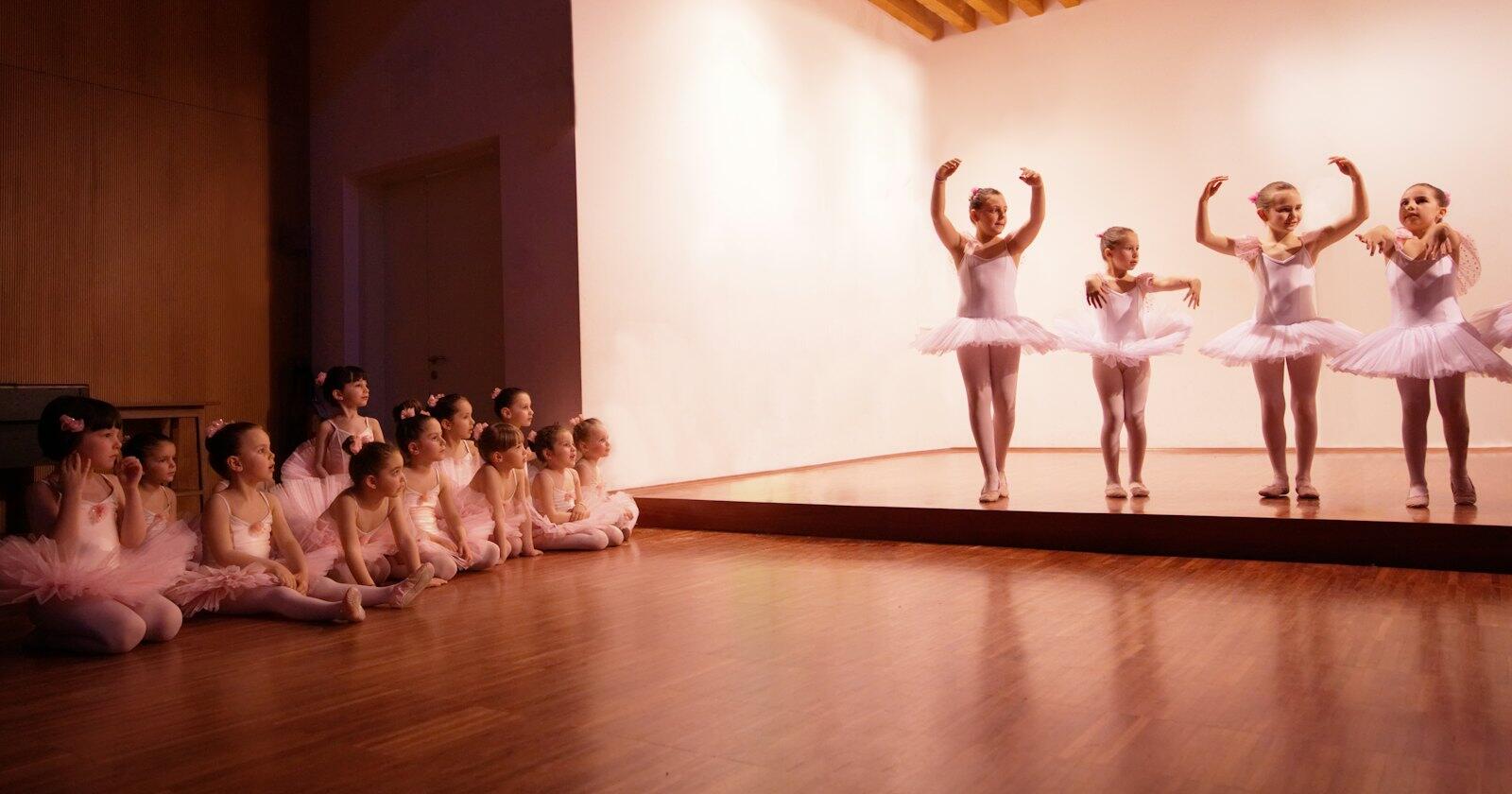
The hall's boiler has packed in, it's four o'clock, and twenty children are due for tap at half five. The dance teacher has their parents' numbers on a sign-up sheet in the office, a few more in her own phone, and a class group chat that half the parents muted in September. Texting parents is how most kids' clubs, dance schools and holiday camps run the week, and it's worth setting up properly. The messages are short and practical, but they're about other people's children, and that changes who should send them and from where.
What children do outside school
Sport England's Active Lives survey of children and young people is the official measure of how active they are, and the latest results cover the 2024 to 2025 school year. Out of about 6.8 million children in school years 1 to 11 in England, 92% did some kind of sport or activity in the previous week. Football was the most common single activity, at 40.9% (about 3.0 million children). Dance came second, at 30.1%, or roughly 2.2 million children. Swimming and diving was 25.3%, basketball 14.6% and gymnastics 12.8%.
Academic year 2024 to 2025 (September to July). Any participation in the last week, in or outside school, so PE lessons count. Gymnastics excludes trampolining and cheerleading; martial arts covers judo, karate, taekwondo and others.
Source: Sport England, Active Lives Children and Young People Survey, table 7
See the figures as a table
| % of children (%) | |
|---|---|
| Football | 40.9 |
| Dance | 30.1 |
| Swimming and diving | 25.3 |
| Basketball | 14.6 |
| Gymnastics | 12.8 |
| Tennis | 8.3 |
| Rugby | 8.1 |
| Cricket | 8.1 |
| Netball | 7.7 |
| Martial arts (judo, karate) | 6.9 |
These figures count anything in the last week, including PE at school, so they're a measure of what children do and not of club membership. They do show where the volume is, and it's more than a handful of children per club. Sport England's report says activity levels are "the highest they have been since we started the survey back in 2017", and also that "Only 49% of children are meeting the Chief Medical Officers' guideline of an average of an hour of exercise per day".
Why the texts go to parents
The Department for Education publishes safeguarding guidance for out-of-school settings in England, last updated on 9 February 2026. It's non-statutory, and it covers after-school and holiday clubs, sports training, music lessons, tuition and community activities, so most kids' clubs and dance schools fall within it. A few lines in it bear directly on texting.
It says providers should "have more than one emergency contact number for each child", should take "a register of children attending" at the start of each session, and should consider "requesting updates for parental contact details; you could do this once a year if a child attends the setting for more than a year". And under the staff behaviour policy, it lists "rules on staff and volunteer contact with children by phone or messaging services" among the things the policy should include.
Put together, that points one way. Messages about a child go to the parent or carer, from the club and not from a teacher's personal phone, to numbers the club keeps up to date. Children with their own phones (teenagers in a youth theatre, say) can be a different case under the club's own policy, but the default for everything logistical (times, venues, collection, fees) is the adult who signed the consent form.
Sending from the club's account also helps when staff change. CaptiFi Connect's team logins let the owner invite each teacher or volunteer with their own login and a role: a member can send texts, answer the inbox and manage contacts and lists, without seeing billing or API keys. When someone leaves, removing them ends their sessions straight away, and every text records who sent it. The parents' numbers stay in one place, with the club, and not in a dozen phones.
The texts a club sends
Here's a set for a fictional dance school, Holmwood School of Dance, run by Claire. The child's first name comes from the contact record.
A class cancelled at short notice:
Holmwood Dance: sorry, tonight's 5:30 tap class is cancelled, the hall heating has failed. Next class Tue 9 Mar as normal. Claire
A change to collection:
Holmwood Dance: Saturday's rehearsal for Ellie's class ends at 12:30, not 12:00. Please collect from the side door on Church Lane. Reply if that's a problem.
The show week:
Holmwood Dance: show day is Sat 20 Mar. Ellie needs to be at the Corn Exchange stage door by 1pm in costume, hair in a bun. Collection 5:30pm. Claire
And the late pick-up, which needs an answer:
Holmwood Dance: class has finished and Ellie is waiting with Claire in the foyer. Please reply to let us know who is collecting and roughly when.
Each one starts with the school's name, because a text about your child from an unknown number is alarming, and each one has the date, time and place a parent needs to act on. The late pick-up asks a direct question with an easy answer. If there's no reply after a few minutes, phone, and then try the second emergency contact, which is what the extra number on the form is for.
What stays out of a text
A text sits on a phone that other people pick up: a partner, a grandparent, an older brother borrowing it for a game. So the content should be what any adult in the house could read without harm. Times, places and kit are fine. A child's medical details, an injury beyond "a bumped knee, she's fine", a behaviour problem or anything to do with a safeguarding concern belong in a phone call or a conversation at the door.
The DfE guidance expects clubs to know about medical concerns and allergies and to hold that information "in compliance with GDPR", which is a reason to keep it in the enrolment record and out of message history. Our post on health information in a text goes further into where the line sits. The same goes for surnames: a first name and the class are enough for a parent to know which child the text is about, and the school's name at the start tells them who it's from.
Fees, shows and summer schools
Most of what a club texts is administration. The ICO's guidance on identifying direct marketing says service messages are those that "aren't promotional but are for administrative or customer services purposes", and term fees, uniform deadlines and show-day timings plainly fit.
Holmwood Dance: spring term fees (£84 for weekly classes) are due by Fri 12 Mar. Bank transfer, reference your child's name. Thanks, Claire
Promoting something new is different. A text about a summer school, a new street dance class or the shop's half-term sale is marketing, and the ICO warns that if a service message "has elements that are direct marketing, even if that is not the main purpose of your message, then it will count as direct marketing". So keep the summer school out of the show-day text.
For parents who already pay for classes, the soft opt-in usually covers marketing about similar classes. The ICO says you can text "an existing customer who bought (or negotiated to buy) a similar product or service from you in the past", as long as you gave them "a simple way to opt out both when you first collected their details and in every message you have sent". Add a line to the enrolment form, end every promotional text with "Reply STOP to opt out", and keep the parents who opt out on your service list. A STOP reply on CaptiFi Connect suppresses that number for all texts from your account, so it's worth explaining on the form that class updates and promotions are separate, and checking with a parent who opts out whether they still want the cancellation texts.
Setting it up
The simplest structure is one list per class (Tuesday tap, Saturday ballet and so on), imported from the enrolment spreadsheet. CaptiFi Connect's CSV import maps each column to a contact field, updates numbers it already has in place, and can carry a custom field such as the child's first name, which then works as a merge field in the text. Where a child has two parents or carers who both want the updates, add both as contacts on the class list.
Messages that are planned (show-day details, fee reminders, the first class of term) can be scheduled days or weeks ahead. Saved templates keep the cancellation and late pick-up wording ready for the evenings when you need it fast.
Two details catch clubs out. Sends to a whole list keep to the account's quiet hours, 21:00 to 09:00 London time by default, so a 07:30 "Saturday class cancelled, the hall is flooded" text to the list would wait until nine unless you tick "Send now anyway". And the late pick-up text needs a reply, so it has to go from a number: texts from a sender name can't be answered. Replies land in the two-way inbox, threaded by parent, and cost nothing to receive.
For junior sections of adult sports clubs, the same rules apply. Our post on sports club texts covers fixtures and call-offs, and the one on nursery texts to parents covers childcare settings that are registered with Ofsted.
Common questions
Should a dance teacher text children or their parents?
Parents and carers, for anything about times, venues, collection or fees. DfE's safeguarding guidance for out-of-school settings expects a staff behaviour policy with rules on staff and volunteer contact with children by phone or messaging services. Sending from the club's account, not a personal phone, keeps that clear.
Do I need consent to text parents about class cancellations?
No. A cancellation, a change of time or a collection message is a service message, so it doesn't need marketing consent. Tell parents on the enrolment form that you'll text them about classes, and keep the number up to date.
Can a kids' club text parents about summer camps and new classes?
Yes, if the parents already pay for classes and were given a way to opt out when they enrolled, because the soft opt-in usually covers similar services. Every promotional text needs an opt-out line. Parents who haven't bought from you need to agree first.
How many contact numbers should a club hold for each child?
More than one. DfE's guidance for out-of-school settings says providers should have more than one emergency contact number for each child, and suggests asking parents to update their details, for example once a year.
Sources
Read for this post on 4 November 2026.
- DfE: Out-of-school settings, safeguarding guidance for providers (updated 9 February 2026)
- DfE: After-school clubs, community activities and tuition, safeguarding guidance for providers (PDF)
- Sport England: Active Lives Children and Young People Survey, academic year 2024 to 2025 report (4 December 2025)
- Sport England: Active Lives Children and Young People Survey 2024 to 2025, tables 7 to 16, types of activity
- ICO: direct marketing guidance, identifying direct marketing
- ICO: Guide to PECR, electronic mail marketing
Written by the CaptiFi Connect team. Published 4 November 2026. More in Sectors
Send your first text this week
Set up your account and contacts now. Until we've approved it, a person reads each text before it goes out.