
Sectors8 min read
Flu jab reminder texts for pharmacies and clinics
UKHSA data shows pharmacies gave 29.5% of flu jabs to over-65s in 2025 to 2026. When to send flu jab reminder texts, who is eligible and what to leave out.
In short
- UKHSA recorded flu vaccine uptake of 74.5% among GP patients aged 65 and over in England in 2025 to 2026, with 81.1% for those aged 75 and over and 68.1% for those aged 65 to 74.
- Pharmacies gave 29.5% of flu vaccinations to people aged 65 and over in England in 2025 to 2026, up from 28.1% the season before, according to UKHSA.
- For 2026 to 2027, pregnant women and children are eligible for an NHS flu vaccine from 1 September 2026, and adults aged 65 and over and adults in clinical risk groups from 1 October 2026.
- NHS England's guidance lists letting eligible registered patients know that flu vaccinations are available as communication that is not direct marketing.
- Regulation 284 of the Human Medicines Regulations 2012 bans advertisements likely to lead to the use of a prescription only medicine, with an exception for approved vaccination campaigns.
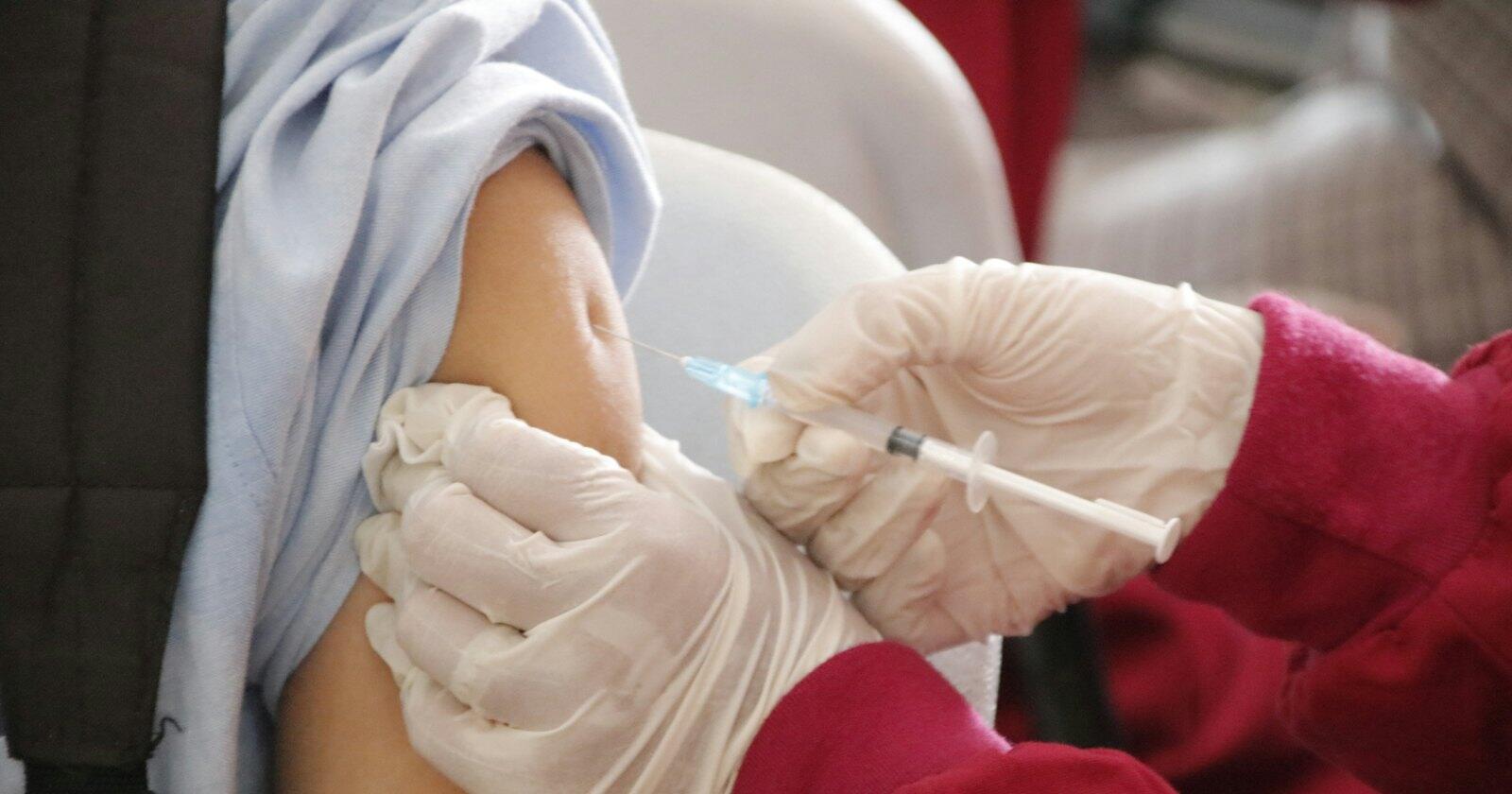
UKHSA's final figures for the 2025 to 2026 flu season, published on 28 May 2026, put the number of GP patients in England recorded as vaccinated at over 18.8 million. Uptake among people aged 65 and over was 74.5%, half a point under the World Health Organization's 75% target, and pharmacies gave 29.5% of those jabs, up from 28.1% the season before. A flu jab reminder text is one of the ways people find out the vaccine is in and where to get it. This post covers the timing for 2026 to 2027, who is eligible from when, and the two rules a pharmacy or clinic needs to watch: the marketing line and the ban on advertising prescription only medicines.
What the 2025 to 2026 uptake figures show
Behind that figure the spread is wide. UKHSA split the over-65s for the first time last season, and the difference between the two halves is large: 81.1% of people aged 75 and over had the vaccine, against 68.1% of those aged 65 to 74. Below 65 the figures drop further. 40.6% of people aged 6 months to under 65 in a clinical risk group were vaccinated, 38.4% of pregnant women and 44.2% of children aged 2 and 3.
Final data, 1 September 2025 to 28 February 2026, published 28 May 2026. "Under 65, clinical risk group" means aged 6 months to under 65 in one or more clinical risk groups. Carers are those not in a clinical risk group; UKHSA says carer status is poorly recorded, so treat that figure with caution.
Source: UKHSA, seasonal influenza vaccine uptake in GP patients, winter 2025 to 2026
See the figures as a table
| Uptake (%) | |
|---|---|
| Aged 75 and over | 81.1 |
| Aged 65 to 74 | 68.1 |
| Aged 2 and 3 | 44.2 |
| Under 65, clinical risk group | 40.6 |
| Pregnant women | 38.4 |
| Carers aged 16 to 64 | 31.3 |
Where people got the jab is shifting too. Most vaccinations were still given in GP practices, but less so each year. For the over-65s, 62.7% were vaccinated at the practice, 29.5% in a pharmacy and 7.7% somewhere else. For under-65s in a risk group, pharmacies gave 28.8%, up from 26.7%. Pregnant women moved most: 90.0% of their vaccinations were given in GP practices in 2019 to 2020 and 39.5% last season, with antenatal clinics giving 44.9% and pharmacies 15.5%.
For a pharmacy, the 65 to 74 group is the obvious one to look at. They're eligible, and nearly a third of them weren't vaccinated last season.
Who is eligible in 2026 to 2027, and from when
The national flu letter for 2026 to 2027 says "there are no changes to eligible cohorts", and keeps two start dates.
From 1 September 2026:
- pregnant women
- children aged 2 or 3 on 31 August 2026
- school-aged children from reception to year 11
- children in clinical risk groups from 6 months to under 18
From 1 October 2026:
- people aged 65 and over
- people aged 18 to under 65 in clinical risk groups
- people in long-stay residential care homes
- carers, close contacts of people who are immunocompromised, and frontline social care workers without an employer scheme
The adult start stays at 1 October because of evidence on "the waning of flu vaccine's effectiveness in adults", so it's better to vaccinate closer to when flu circulates. The letter asks for "the majority of vaccinations" to be done "by the end of November", and says vaccination can go on "up until 31 March".
An amendment published on 9 June 2026 adds two things pharmacies care about. Community pharmacies can vaccinate 2 and 3 year olds and children in clinical risk groups (aged 2 to under 18) from 1 October 2026, and school-aged children who missed the school session from 1 December 2026. People experiencing homelessness aged 16 and over are eligible from 1 October too.
COVID-19 vaccination runs alongside. The government accepted JCVI advice on 23 March 2026 that autumn 2026 eligibility in England is adults aged 75 and over, residents in care homes for older adults, and people aged 6 months and over who are immunosuppressed, the same groups as the last three campaigns. NHS England's pharmacy service specification says pharmacies "must offer COVID-19 vaccinations through the NBS" (the National Booking Service) and are "strongly encouraged" to offer adult flu through it too. The deadline to register for adult flu for this season is 23:59 on 30 November 2026.
When to send flu jab reminder texts
The dates above set the calendar. A text to over-65s before 1 October can't offer a jab, so it either says when booking opens or waits. A sensible pattern for a pharmacy:
- Early September: pregnant women and parents, if you have a way to reach them that doesn't reveal why (more on that below).
- Late September: everyone who had a flu jab with you last season, saying the vaccine will be available from 1 October and how to book.
- Mid October: a reminder to the same list, minus anyone already vaccinated.
- Late November: a last nudge before the end-of-November target, again minus the vaccinated.
- January: one message for people who've become eligible since, if your records can tell you who they are.
The first message, written for a pharmacy called Fernlea:
Fernlea Pharmacy: NHS flu jabs are available from Wed 1 Oct for people aged 65 and over. Book at the counter, call 07700 900276 or walk in Tue and Thu mornings.
The reminder in October:
Fernlea Pharmacy: you can still get your free NHS flu jab with us. Walk in Tue or Thu 09:00 to 12:00, or reply BOOK and we'll text you a time.
Take people off the list once they've been vaccinated. A third reminder about a jab they had three weeks ago tells them you don't know they had it. Remove them as each vaccination is recorded, or export the list fresh before each send. Pharmacy vaccinations are sent to the patient's GP practice automatically, but a GP-given jab won't show in your system, so the text can say "if you've already had it, thank you, please ignore this" without anyone feeling chased.
Is a flu reminder a marketing text?
For NHS vaccination, mostly not. NHS England's information governance guidance on direct marketing lists, as examples that are "NOT direct marketing", "sending eligible registered patients or service users communications letting them know that flu vaccinations are available" and "GP practices contacting relevant patients to promote a reminder service for flu vaccines". The guidance is written for health and care organisations and the messages that are part of their "task or function".
It draws a firm line, too: "If a message includes any promotional element which is not related to the task or function of the organisation, then the whole message will be considered direct marketing." So a flu reminder that also mentions the travel clinic, a new skincare range or a private service for people who aren't eligible becomes a marketing text, and needs consent or the soft opt-in plus an opt-out. Keep the NHS flu message on its own. If you run a paid flu service for people outside the eligible groups, send that as a separate marketing text to people who've agreed to hear from you, with "Reply STOP to opt out" on the end. Our post on pharmacy texts covers where the marketing line falls for the rest of a pharmacy's messages.
Naming the vaccine
Flu vaccines are prescription only medicines, and regulation 284 of the Human Medicines Regulations 2012 says plainly that "a person may not publish an advertisement that is likely to lead to the use of a prescription only medicine". Regulation 292 lifts that for an advertisement "as part of a vaccination campaign" that relates to a vaccine and "has been approved by the Ministers". A pharmacy's own text about its own paid service isn't obviously part of an approved campaign.
The MHRA's guidance for providers offering treatment services shows the safe way to write it. Services "may promote the service they provide", but material "should not draw attention to specific prescription only medicines", and any mention of "the availability of a named prescription only medicine from a clinic in social media is likely to be considered to be an advertisement which is prohibited". So "flu jabs available" is fine. A text naming a brand of vaccine, or pushing a particular type with a price beside it, is the thing to avoid. Our post on aesthetics clinic texts and the Botox ad ban goes through the same rules as the ASA applies them.
What a flu text should leave out
Eligibility is often a health fact. "As you have diabetes, you're eligible for a free flu jab" tells anyone who sees the lock screen about the diabetes, and "as you're pregnant" can tell a family member something the patient hasn't shared yet. Send one general message to everyone on a list and let the eligibility live on the pharmacy's or practice's side. "Free NHS flu jabs are available if you're eligible" works for every group. Our post on health information in a text explains why, with NHS England's guidance.
The same goes for the list itself. A list called "pregnant" or "immunosuppressed" sitting in a texting tool is special category data held somewhere it may not need to be. Use a neutral list name ("flu reminders 2026") built from your patient records, and delete it when the season ends.
Setting it up
Export last season's flu patients from your patient record system as a CSV, import them, and schedule the season's messages in September. A keyword such as BOOK can reply automatically with your clinic times or a booking link, and replies come into a shared inbox for the "can you do Saturday?" questions. Before each reminder, re-import the list without the people you've vaccinated; contacts already on the list are updated in place, and anyone who replied STOP stays suppressed. Campaign quiet hours (21:00 to 09:00 London time by default) keep the sends in the daytime. Time each send for a morning when someone is free to answer the replies, so that everyone who texts BOOK gets a time back the same day and doesn't have to ring to chase it.
Common questions
When can I get my flu jab in 2026?
In England, pregnant women and children can have an NHS flu vaccine from 1 September 2026. People aged 65 and over, adults under 65 in clinical risk groups, care home residents, carers and some frontline social care workers can have it from 1 October 2026. Vaccination can continue until 31 March 2027.
Can a pharmacy text me about flu jabs without my consent?
NHS England's guidance says letting eligible patients know that flu vaccinations are available isn't direct marketing. A text that promotes a paid service, or mixes other offers in with the flu message, is marketing and needs consent or the soft opt-in, with a way to opt out.
Can a pharmacy name the flu vaccine brand in a text?
It's safer not to. Prescription only medicines can't be advertised to the public under regulation 284 of the Human Medicines Regulations 2012, and the MHRA's guidance tells clinics and pharmacies to promote the service without naming specific prescription medicines.
Who can get a COVID vaccine in autumn 2026?
In England, adults aged 75 and over, residents in care homes for older adults, and people aged 6 months and over who are immunosuppressed. That's the same eligibility as the spring 2025, autumn 2025 and spring 2026 campaigns.
Sources
Read for this post on 4 November 2026.
- UKHSA: Seasonal influenza vaccine uptake in GP patients in England, winter 2025 to 2026 (28 May 2026)
- UKHSA, NHS England and DHSC: National flu immunisation programme 2026 to 2027 letter
- Amendment to the national flu immunisation programme 2026 to 2027 letter (9 June 2026)
- DHSC: Advice accepted on autumn 2026 COVID-19 vaccination programme (23 March 2026)
- NHS England: Community pharmacy advanced service specification, COVID-19 and adult influenza vaccination 2026/27
- NHS England: What is and isn't direct marketing, guidance for health and care professionals
- legislation.gov.uk: Human Medicines Regulations 2012, regulation 284
- legislation.gov.uk: Human Medicines Regulations 2012, regulation 292
- MHRA: Blue Guide appendix 6, guidance for providers offering medicinal treatment services
Written by the CaptiFi Connect team. Published 4 November 2026. More in Sectors
Send your first text this week
Set up your account and contacts now. Until we've approved it, a person reads each text before it goes out.